The Structural Persistence of Slavery
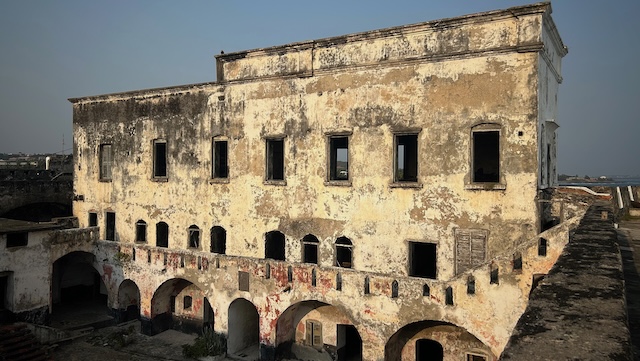
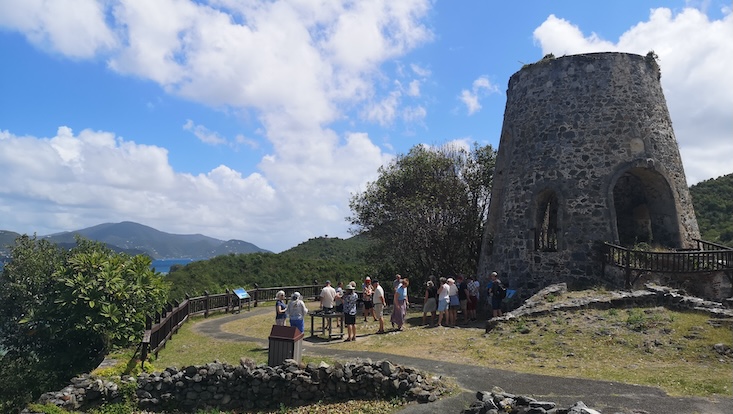
This project explores how the physical infrastructures of the transatlantic slave trade, such as coastal forts in Ghana, plantation landscapes in the Caribbean, and the routes that connected them, materially enabled European colonial expansion and the development of global capitalism. Combining archaeology, archival research, ethnography, and decolonial approaches, it examines how these sites were designed to organize forced labor and profit, and how their material traces still structure environments and economies today. The project seeks to understand how the histories of enslavement became embedded in architecture and landscape, and how these legacies continue to inform present-day social and political realities.
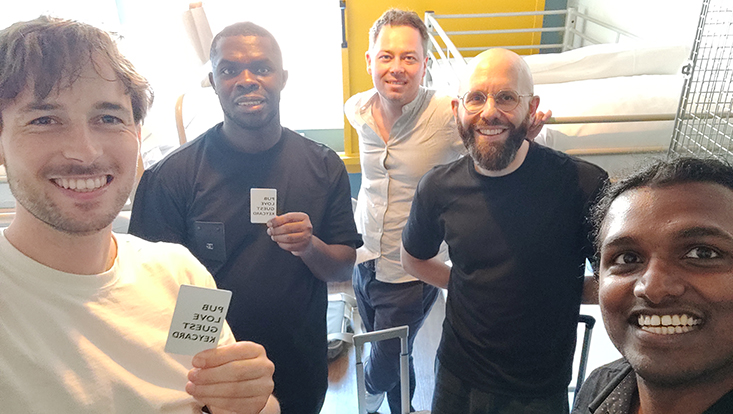
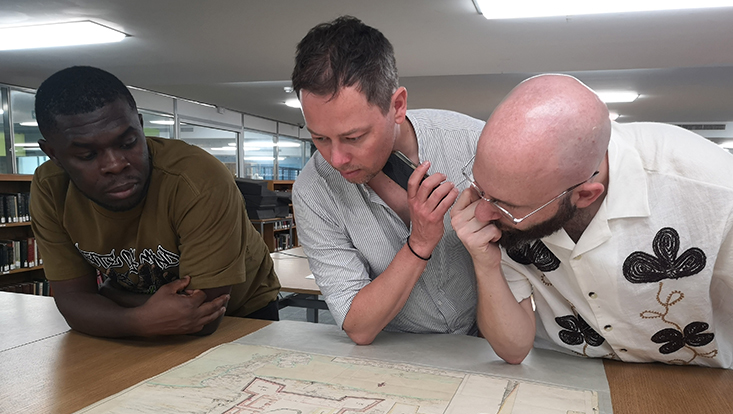
Project team
- Prof. Dr. Jonas Bens, University of Hamburg
- Dr. Christian Mader, University of Bonn
- Bille Sachers, M.A., University of Hamburg
- Philip Atta Mensah, M.A., University of Bonn
- Arjunraj Shakeela Natarajan, M.A., University of Hamburg
- Ebenezer Mensah Gyimah, M.A., Auckland University of Technology
Funding
- Deutsche Forschungsgemeinschaft (Heisenberg-Förderung "Die materielle Kultur der kolonialen Gegenwart: Kolonialismus, Kapitalismus und Recht")
- Cluster of Excellence at the Bonn Center for Dependency & Slavery Studies
The transatlantic slave trade: A thing of the past?
Publications
Lang, Matthias, Christian Mader, Ebenezer Gyimah Mensah, Philip Atta Mensah, and Jonas Bens. 2025. “3D Model of the Concubine Dungeon at Fort William (Ghana).” bonndata. https://doi.org/doi:10.60507/FK2/65F6H4
Lang, Matthias, Christian Mader, Ebenezer Gyimah Mensah, Jonas Bens, and Philip Atta Mensah. 2025. “3D Model of the Children’s Dungeon at Fort William (Ghana).” bonndata. https://doi.org/doi:10.60507/FK2/SHYTM0
Mensah, Philip Atta, Jonas Bens, Ebenezer Mensah Gyimah, and Christian Mader. 2025. Sensing the materiality of the transatlantic slave trade: a fieldwork report on slave dungeons in Ghana. Dependent 11, 48–53. PDF: https://www.dependency.uni-bonn.de/images/pdf-files/outreach/cluster-magazin/dependent_25-1_fin.pdf